Why Clean Ingredients Matter For Your Skin
· Anjali Parekh

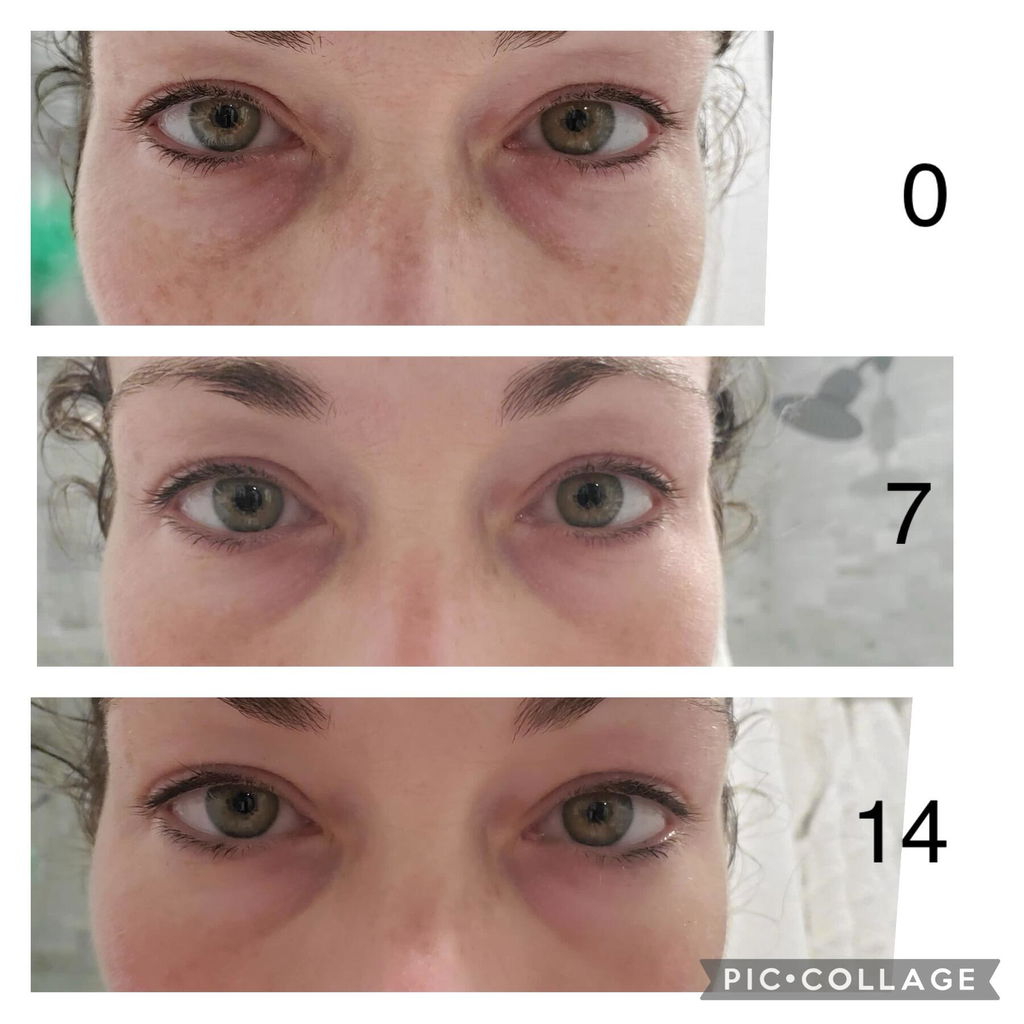
More and more of us are paying attention to what we put on our skin, and for good reason. For women over 35, the right products can make a real difference with concerns like fine lines, wrinkles, dark circles, and puffiness. Many people turn to "clean" skincare hoping for products that are gentler and more transparent. But what does clean actually mean, and why does it matter? Here's a practical guide.
What "clean" skincare means
There's no official or legal definition of "clean" beauty, so each brand sets its own standards. In general, clean skincare focuses on three things: leaving out ingredients that commonly cause irritation or that some people prefer to avoid, being transparent about what's in the formula, and choosing ingredients that are backed by evidence.
Clean doesn't have to mean all-natural. Some of the most effective, well-studied skincare ingredients, like stabilized vitamin C, hyaluronic acid, and peptides, are made in a lab. Lab-made ingredients can be just as gentle and safe as plant-based ones, and sometimes more consistent. What matters most is how well an ingredient is studied and how your skin responds to it.
Gentler on sensitive and mature skin
As we get older, skin often becomes thinner, drier, and more reactive, especially around the eyes. Ingredients like synthetic fragrance and some essential oils are among the most common causes of skin irritation and allergic reactions. Harsh sulfates can strip the skin's natural oils and leave it dry. Choosing fragrance-free, gentle formulas can help reduce redness, dryness, and irritation, which matters most for the delicate skin around your eyes.
Ingredients some people prefer to avoid
If you have sensitive skin or simply want a simpler routine, these are ingredients many people choose to skip:
- Synthetic fragrance: a leading cause of skin sensitivity and reactions.
- Harsh sulfates: strong cleansing agents that can strip and dry the skin.
- Drying alcohols: high amounts can irritate and dehydrate delicate skin.
- Parabens: preservatives regulators consider safe at permitted levels, though some people prefer to avoid them.
Ingredients worth looking for
A clean formula should still work. These ingredients are well studied for aging skin:
- Hyaluronic acid draws in moisture to plump the skin and soften fine lines.
- Peptides support the skin's own collagen production for a firmer look.
- Vitamin C brightens, evens skin tone, and defends against free radical damage.
- Caffeine helps temporarily reduce puffiness around the eyes.
- Niacinamide strengthens the skin barrier and calms redness.
Read more in our guide to the best ingredients for youthful skin around the eye.
Transparency you can trust
One of the best things about the clean beauty movement is its focus on transparency. Brands that list every ingredient clearly make it easier for you to understand what you're using and to avoid anything your skin doesn't tolerate.
A kinder choice for the planet
Many clean brands also think beyond the bottle, choosing recyclable packaging, avoiding microplastics, and committing to cruelty-free practices. For many ingredient-conscious shoppers, that's an important part of the choice.
How to read a skincare label
- Ingredients are listed from highest to lowest concentration, so the first few make up most of the formula.
- Look for "fragrance-free" rather than "unscented," which can still contain masking fragrance.
- Check that key active ingredients appear in the list, not just in the marketing.
- Patch test any new product on a small area of skin for a few days before using it around your eyes.
The bottom line
Clean skincare isn't about fear of ingredients. It's about choosing gentle, transparent formulas with ingredients that are proven to work. For mature and sensitive skin, especially around the eyes, that combination can mean fewer reactions and a routine you feel good about. When choosing an eye serum, look for a short, clear ingredient list and well-studied actives.