Prostaglandins and Their Potential Pitfalls
· Anjali Parekh

In the quest for longer, fuller lashes, lash serums have become an increasingly popular solution. But while these products promise luscious lashes in a bottle, some contain an ingredient that deserves a closer look: prostaglandin analogs. Prostaglandins are compounds that regulate many processes in the body, and the synthetic versions used in some lash serums can be a double-edged sword. Here's what to know before you use one.
What are prostaglandin analogs?
Prostaglandin analogs were first developed as eye drops to treat glaucoma by lowering pressure inside the eye. Doctors noticed that patients using them grew longer, darker lashes, and the ingredient soon found its way into lash serums. Some are sold as prescription products, while others appear in over-the-counter cosmetic serums.
Potential side effects
1. Eye irritation
One of the most common side effects is eye irritation. This can show up as redness, itching, burning, or general discomfort.
2. Eyelid darkening
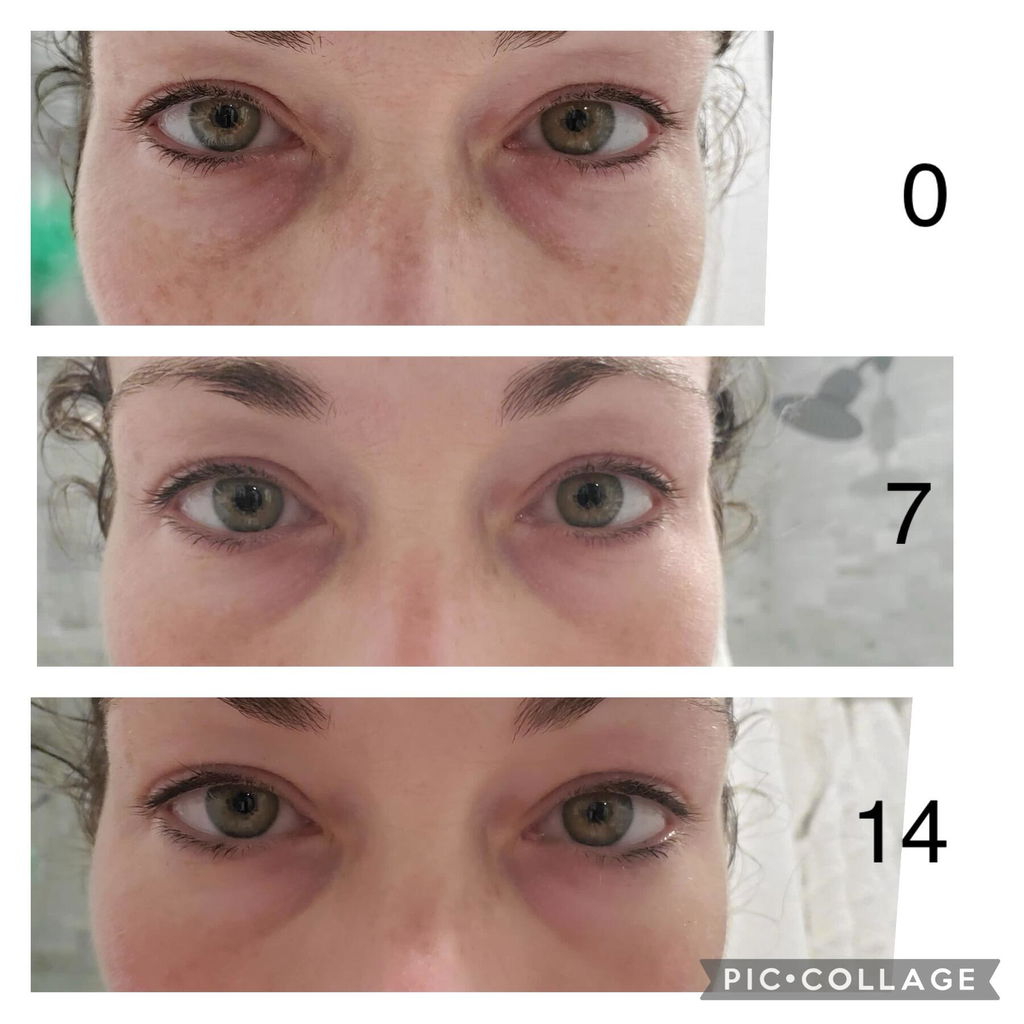
Prostaglandin analogs can darken the skin of the eyelids, a condition called periocular hyperpigmentation. This tends to be more noticeable on lighter skin. The good news is that eyelid darkening usually fades gradually after you stop using the product.
3. Iris color change
Less commonly, prostaglandin analogs can cause a permanent darkening of the colored part of the eye, the iris. This has mainly been seen with prostaglandin eye drops, but it's a known risk if the product gets into the eye, and it's especially noticeable in people with light-colored eyes.
4. Eyelid swelling and dry eyes
Some users experience eyelid swelling, which can make the eyes look puffy and tired, the opposite of the look most people want. Others notice dry eyes, which can be uncomfortable and may need ongoing care.
5. Fat loss around the eyes
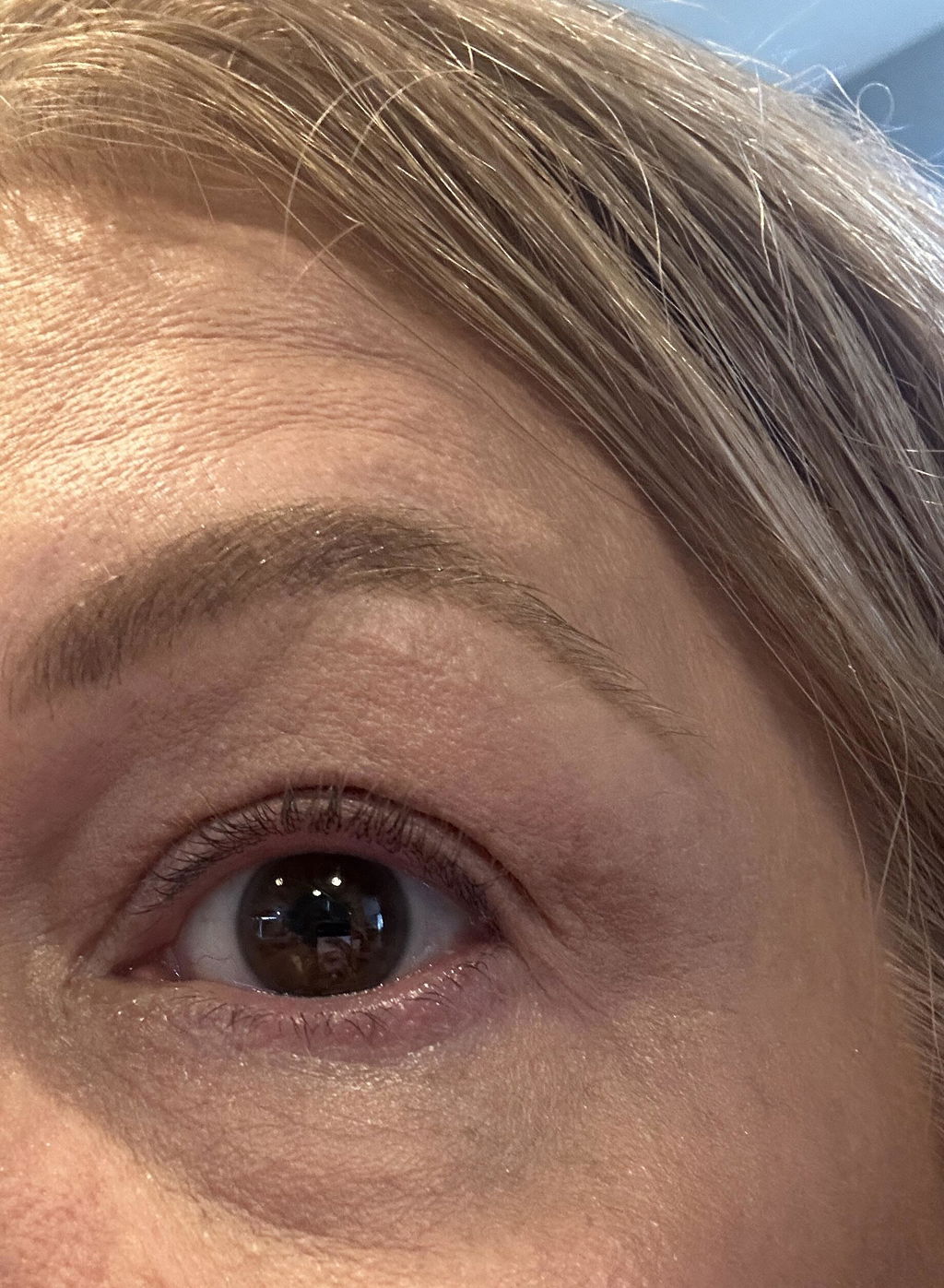
One of the lesser-known side effects is loss of the natural fat around the eyes, known as prostaglandin-associated periorbitopathy. This can create a hollow or sunken look and deepen the upper eyelid crease, which can make the eyes look older rather than more youthful.
6. Unwanted hair growth
If the serum touches skin beyond the lash line, it can cause hair to grow in places you don't want it, such as on the eyelid or cheek.
7. Allergic reactions
Some people develop an allergic skin reaction, with redness, rash, and itching around the eyes. Stop using the product and contact a doctor if this happens. Seek medical care right away for any severe swelling or difficulty breathing.
Prostaglandins are a medication
It's important to remember that prostaglandin analogs aren't just a cosmetic ingredient. They're also prescription medications that lower eye pressure. Using them without a doctor's guidance means applying a drug near your eyes without supervision, which is a particular concern if you have glaucoma, are being monitored for eye pressure, or are pregnant or breastfeeding.
Long-term use is not well studied
While many lash serums claim to be safe for long-term use, the long-term effects of applying prostaglandin analogs to the lash line, especially in cosmetic products that aren't regulated as drugs, are not well documented.
How to spot prostaglandins on a label
Prostaglandin analogs often have long chemical names. Look for ingredients such as isopropyl cloprostenate, dechloro dihydroxy difluoro ethylcloprostenolamide, or bimatoprost. Names that include "prost" are a good clue. If you're unsure, ask your eye doctor before using the product.
The bottom line
The appeal of longer, fuller lashes is undeniable, but it's worth approaching lash serums with care, especially those containing prostaglandin analogs. Read labels, know the possible side effects, and talk with your eye doctor if you have any concerns. Your eye health should always come first.
That's why Skinjuvea's Anti-Aging Eye Serum and Lash Booster is formulated without prostaglandins, so you can care for your lashes and the skin around your eyes without them.